Painting on Reclaimed Wood: My Personal Creative Process.
Every painting I create begins long before the first brushstroke is made. My work is not just about the image on the surface—it’s about the material itself. I paint on reclaimed pieces of wood that have been saved from being burned or thrown away, giving them a new purpose and a second life through art. You can see my work here.
I’m drawn to reclaimed wood because it already has a story. Marks, grain patterns, weathering, and colour variations all speak of where the wood has been before it reached my studio. Rather than covering those details up, I see them as part of the artwork. Each piece is unique, and that individuality plays a big role in how the final painting takes shape.
Sourcing and Rescuing Reclaimed Wood
The first step in my process is sourcing the wood. I carefully select pieces that would otherwise be discarded, overlooked, or destroyed. Saving these materials feels important to me—not only from an environmental point of view, but also creatively. Reclaimed wood has a warmth and character that new, mass-produced timber simply can’t replicate.
Every piece I choose has its own personality. Some are rough and textured, others smoother and lighter in tone. I never know exactly how a piece will influence a painting until I start working with it, and that sense of discovery is one of the things I love most about this process.
Seasoning and Preparing the Surface
Once the wood is sourced, it needs time and care before it’s ready to be painted. I season each piece through careful drying, allowing the wood to stabilise naturally. This step is essential to ensure the artwork will last for years to come.
After seasoning, the surface is planed or sanded to create a smooth base for painting. I aim for a balance here—smooth enough to paint on comfortably, but not so perfect that the character of the wood is lost. Knots, grain, and subtle imperfections are often left visible, as they add depth and texture to the finished piece.
Choosing the Subject and the Wood Together
For me, choosing the painting subject and selecting the wood go hand in hand. Once I have an idea in mind, I look for a piece of wood that feels right in terms of size, shape, and natural colour. Sometimes the wood leads the way, inspiring the subject rather than the other way around.
This intuitive pairing is what makes each painting truly one of a kind. I don’t force an image onto the wood; instead, I work with it, allowing its natural features to influence the composition and overall feel of the artwork.
Drawing and Painting with Acrylics
Once everything feels right, I draw the image directly onto the wood and begin painting. I use acrylic paints because they allow me to achieve strong, true colours while working beautifully with the wooden surface. Acrylics give me the flexibility to layer, refine details, and build depth without losing the natural warmth of the wood beneath.
As I paint, I’m always mindful of how the colours interact with the grain. The wood subtly shows through in places, adding character and ensuring that no two paintings will ever be exactly the same.
Finishing with Care and Protection
When the painting is complete, I finish the piece with several coats of water-based wax finish varnish. This gives the artwork a soft, gentle sheen rather than a high-gloss look, which I feel suits the natural material perfectly.
The varnish also protects the painting from moisture and everyday wear, helping preserve both the paint and the wood. Using a water-based finish allows me to stay true to my eco-conscious approach while ensuring the artwork remains durable and long-lasting.
Giving Wood a Second Life Through Art
Painting on reclaimed wood is deeply personal to me. Each piece represents a blend of sustainability, craftsmanship, and creative expression. By rescuing discarded wood and transforming it into art, I’m able to create something meaningful, unique, and lasting.
Every finished painting carries two stories—the image I paint, and the history held within the reclaimed wood itself. That connection is at the heart of everything I create.
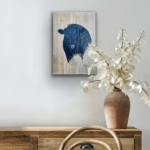
My painting of a Belted Galloway bull on reclaimed pine shows this process. Taking a rough piece of wood and bringing it to life. View artwork here.
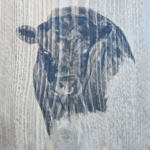
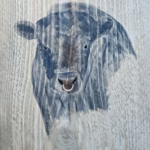
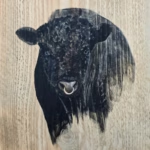
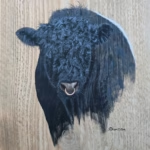
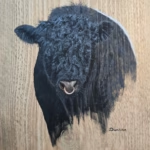
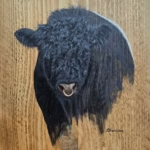
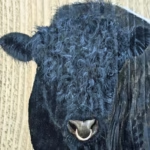
The Belted Galloway was once classified as a rare breed. I am passionate about the survival of rare and traditional breeds of farm animals having been brought up on a farm. You can find out more a about the history of this breed here.
Duncan.